Pillow Construction, Explained
Travel Pillow Design: How Covers, Fill, and Shape Affect Comfort
A travel pillow might look like a simple cushion, but its cover, filling, shape, and size all change how it feels on the move. Here’s what to look for when comparing designs for a flight, a long drive, or a quick rest away from home.
A cramped seat, a restless head, and a journey that seems to stretch on: travel has a way of making small comfort details feel surprisingly important. A pillow can’t change the size of an airplane seat or shorten a delay, but the right design may make it easier to settle in for a nap or support your head during a short rest.
The challenge is that travel pillows are not one-size-fits-all. Some are shaped like a familiar cushion; others curve around the neck, fold for packing, or use a firm core to keep their form. The cover may feel cool and slick, soft and textured, or practical and easy to remove. Inside, the filling may be foam, fiber, down, silk, or a combination of materials. Each choice brings a different balance of feel, support, care, and portability.
Rather than judging a pillow by its shape or softness alone, it helps to look at how its parts work together. A plush cover cannot compensate for a pillow that is too bulky to carry, and a compact cushion may not provide the support you want if its filling compresses quickly. Understanding the construction details offers a clearer way to compare options—without assuming that one design will suit every traveler.
Start with the kind of support you actually need
Before considering fabrics or fillings, think about how you plan to use the pillow. A pillow for upright travel has a different job from one intended for a window seat, a car journey, or a rest between connections. Your preferred sleeping position matters, too. Someone who likes a compact cushion behind the head may find a wraparound design restrictive, while a traveler whose head tends to tip sideways may appreciate more structure near the neck.
Support is not simply a matter of choosing the firmest pillow. It depends on whether the pillow’s shape and thickness keep the head and neck in a comfortable position for the way you are seated. A very soft design may feel inviting at first but flatten under pressure; a dense pillow may hold its shape but feel too rigid for a relaxed nap. The goal is a balance that feels steady without pushing your head into an awkward angle.
Travel pillows are also used for short rests rather than a full night’s sleep. That distinction can help set expectations. A compact cushion may provide a welcome resting place, but it is not necessarily a substitute for a bed pillow or a solution for persistent neck discomfort. If you have specific health concerns or ongoing pain, consider asking a qualified health professional for advice instead of relying on a pillow design to address them.
Cover fabric: the feel closest to your skin
The cover is the first part you notice, particularly during a warm trip or when your face rests against the pillow. Texture, temperature, breathability, and friction all shape the experience. Some covers feel smooth and cool; others have a soft, brushed surface or a more substantial hand. Preferences are personal, so descriptions such as “soft” or “luxurious” are less useful than concrete details about fiber content, weave, and whether the fabric can be removed for washing.
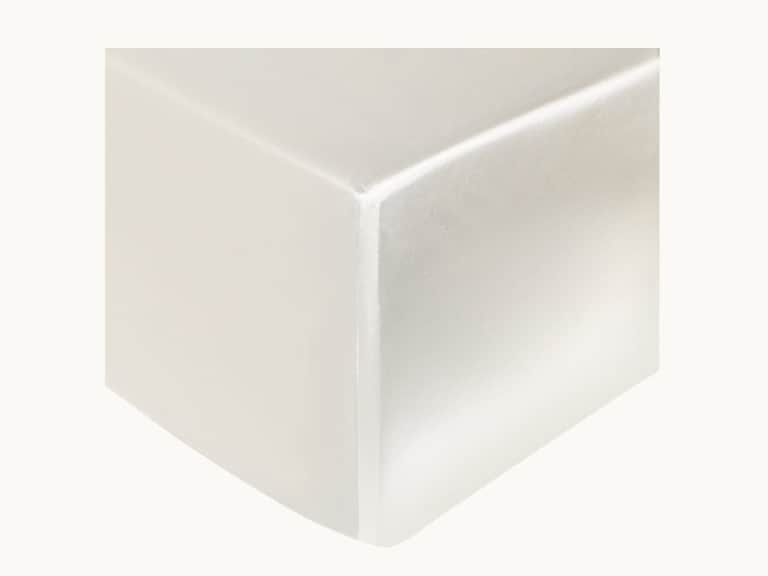
Silk is a smooth natural fiber often chosen for its light feel and fluid surface. A silk cover can glide against the skin rather than feeling plush or fuzzy, which some travelers may prefer. But silk is delicate compared with many everyday upholstery fabrics, so care instructions matter. Check whether the cover is washable, what temperature is recommended, and whether it should be air-dried. A beautiful fabric can be less convenient on the road if its care routine is difficult to manage.
Cotton is familiar, breathable, and available in many textures, from crisp and plain-woven to smooth sateen. It can be a practical choice when regular laundering is a priority, though the actual feel depends on the weave and finish. Polyester and other synthetics may offer durability, quick drying, or a soft, fleece-like touch. Blends can combine qualities, but a label describing a blend does not tell the whole story: the proportion of each fiber and the construction influence how the cover feels and wears.
Pay attention to seams, closures, and any surface treatments as well. A zipper or envelope opening can affect how easily a cover comes off, while a rough seam may be noticeable against the cheek. If you are sensitive to texture, look for a smooth interior and a closure that sits away from the area where your face rests. When possible, consider the fabric in person or check a clear material description rather than relying on a color name or a broad claim about comfort.
Why a removable cover can make a difference
Travel gear encounters a little of everything: hand luggage, car seats, station benches, overhead compartments, and the occasional snack spill. A removable cover makes it easier to clean the surface that touches your skin, but only if the care instructions are practical for your routine. Look for a clear explanation of whether the cover can be machine-washed, needs a delicate cycle, or should be cleaned another way.
A removable cover also gives you the option of carrying a spare one. That can be useful on a longer trip, especially if you expect to use the pillow repeatedly. Before washing, check whether the cover and filling are treated separately. A washable outer layer does not mean the entire pillow can go into a washing machine. Some fillings may clump, lose loft, or take a long time to dry when exposed to water.
If the pillow has no removable cover, consider how its exterior is meant to be cleaned. Spot-cleaning instructions, a protective pouch, or a surface that can be wiped down may help, though no single method fits every textile. Follow the maker’s care label and avoid assuming that a gentle-looking fabric can tolerate heat, bleach, or aggressive detergents. These small checks can prevent a convenient travel accessory from becoming a difficult laundry project.
Filling: the hidden factor in a pillow’s feel
The filling determines how a pillow yields under pressure and how well it recovers afterward. It also affects weight, packability, and maintenance. Two pillows with similar outer dimensions can feel completely different because one has a yielding fiber fill while the other uses foam or a firmer insert. Product descriptions that identify the filling are more helpful than vague claims about “plush support.”
Foam and supportive cores
Foam is often used when a pillow needs to hold a defined shape. A molded or shaped foam core can feel more structured than loose filling and may provide a consistent surface for the head or neck. Some designs use memory foam, which responds to pressure and may conform gradually; others use foam that feels springier or more resilient. Foam can be supportive, but the sensation of firmness and the amount of give vary among products.
A structured core may be appealing if you want a pillow that does not collapse easily. The trade-off can be less flexibility when packing, depending on the material and construction. Some foam designs compress or fold; others are intended to retain a particular form. Check the dimensions when packed, not only when open, and see whether the manufacturer gives instructions about folding or storing the pillow.
Fiber, down, and softer fills
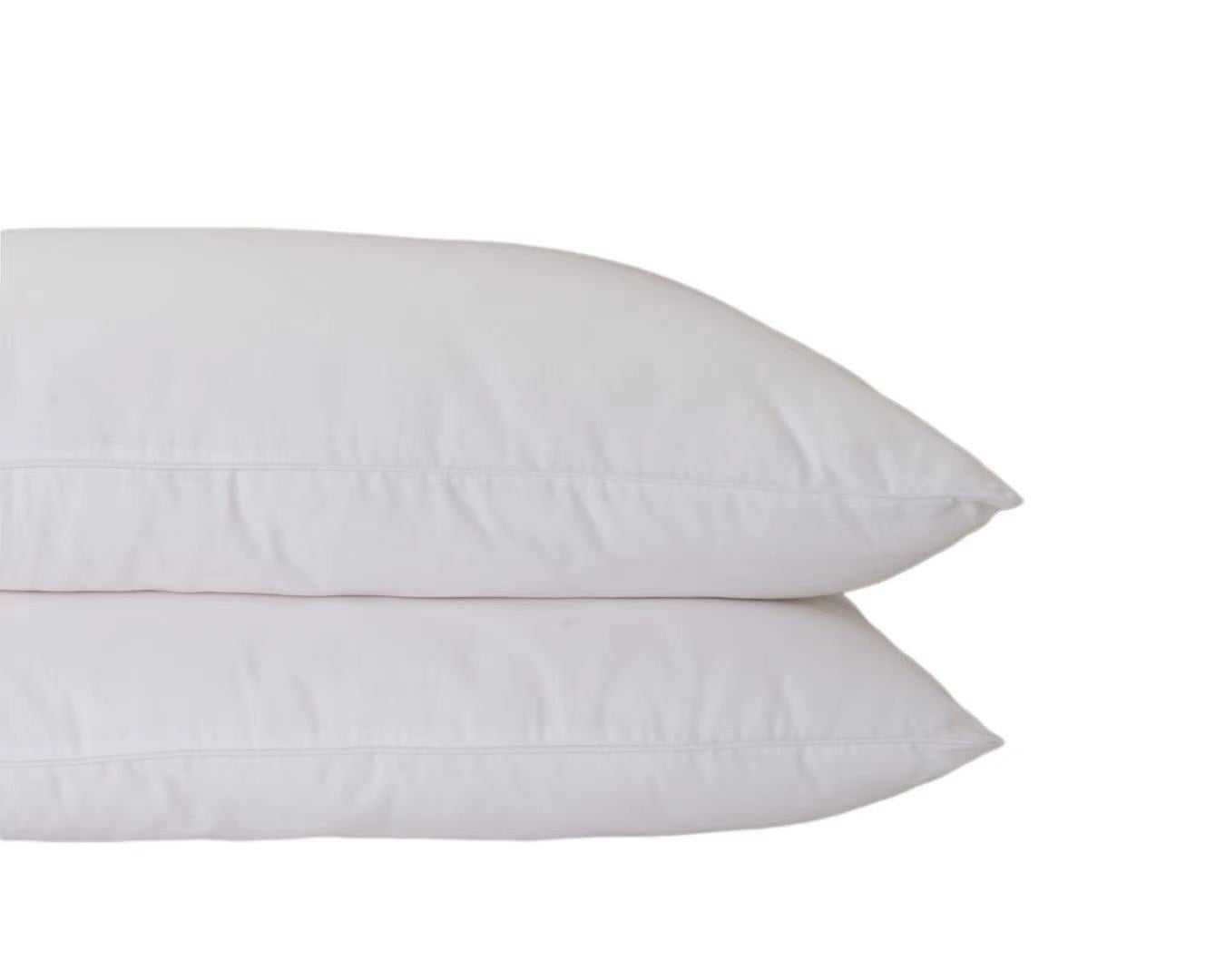
Loose fiber fills can create a softer, more traditional pillow feel. Depending on the amount and arrangement of the filling, the cushion may be easily squeezed into a bag or adjusted by hand. That flexibility can make fiber-filled styles comfortable for varied uses, although some may need occasional fluffing to restore their shape. Down and feather fills are known for a light, compressible feel, but travelers should check the specific care guidance and consider any personal sensitivities when choosing materials.
A pillow’s fill quantity matters just as much as its category. A small amount of soft filling may compress quickly, while a more densely filled cushion may feel firmer and take up more space. Some designs use a supportive center wrapped in softer material, creating a combination of stability and surface cushioning. These layered constructions can be useful, but the product description should make clear what is inside rather than treating “blend” as a complete explanation.
Silk and blended fillings
Silk filling can be used to create a light, breathable feel, sometimes alongside another material that helps maintain loft. A travel pillow may also pair a silk outer surface with a different filling, so it is worth reading the specifications closely: the fabric touching your skin and the material providing the cushion are separate parts. A pillow described as “silk” is not automatically made entirely from silk.
Blended fills may combine softness with shape retention, but their performance depends on the proportions and how the layers are arranged. When comparing pillows, note whether the fill is removable, washable, or intended for spot cleaning only. Ask how it should be refreshed after use, and whether the pillow can be compressed safely for storage. Simple, precise care guidance is a useful sign that the construction has been considered for everyday handling.
Shape: match the design to the journey
The familiar U-shaped travel pillow is designed to sit around the neck, but it is not the only option. Contoured neck pillows, compact rectangular cushions, and small lumbar-style pillows all serve different purposes. Some support the sides of the head; others provide a surface to lean against or a cushion for the lower back. The best shape depends on where you will use it, how you sit, and what kind of support feels comfortable to you.
A wraparound design can help keep the pillow close to the neck, while a contoured shape may offer more support in particular areas. However, fit is crucial. If a pillow sits too high or feels too wide, it may push the head forward. If it is too low or narrow, it may not support the area you hoped it would. Consider the pillow’s height and circumference alongside its general shape, and try to imagine it in the seat where you plan to use it.
A small rectangular travel pillow is often more flexible. It can sit behind the head, along the side of a seat, or under an arm during a short rest. Its versatility may make it useful beyond travel, but its support can depend on how and where you position it. A compact cushion that works well against a car window may feel different in an upright airplane seat. If possible, test the pillow in a similar posture before committing to it for a long trip.
Look for design details that help the pillow stay where you put it. A clip, strap, or fastening can connect some styles to a bag or seat, though it should not interfere with your comfort or movement. Check that any adjustable parts are easy to use and do not press against your face or neck. The simplest shape may be the right one if it provides useful support without creating extra bulk or fuss.
Portability is about more than weight
A pillow can be lightweight and still awkward to travel with. The important question is how much room it takes up in your bag, whether it compresses, and how easily it returns to shape. A bulky design may feel comfortable at home but compete with clothes and essentials in carry-on luggage. A very compressible design may pack neatly but require time to regain its loft once unpacked.
Check both the pillow’s dimensions and any packed measurements. If it comes with a pouch, find out whether the pouch is included and how much it reduces the overall size. For a pillow with a shaped or foam core, confirm that compression is permitted; forcing a pillow into a small bag can damage its structure. For a soft, loose fill, consider whether it can be fluffed or reshaped easily after unpacking.
Weight, attachments, and cleaning also affect everyday convenience. A removable cover may be helpful, but it adds an item to keep track of if carried separately. A clip may make storage easier, while a strap can be useful when the pillow is not inside a bag. Think about the moments before and after you use it, not just how it feels when resting. A good travel design should fit the routine of your trip as well as the rest you hope to get.
A straightforward comparison checklist
When product descriptions start to blur together, compare the same details for each option. A short checklist can reveal meaningful differences without getting distracted by broad promises.
- Cover material: What fiber or blend is used, and how does the surface feel?
- Cover construction: Is the cover removable, and where are the seams and closure positioned?
- Care: Can the cover be washed? What care is recommended for the inner pillow?
- Filling: Is it foam, fiber, down, silk, or a blend? Are layers or a core described?
- Shape and dimensions: Does the design suit your seat, sleeping position, and preferred level of support?
- Packability: What are the pillow’s open and packed dimensions, and can it be compressed?
- Fastenings: Are clips or straps included, and will they be comfortable and practical for you?
- Use case: Is it designed for neck support, a general headrest, or occasional short rests?
If a key detail is missing, do not assume the answer based on the pillow’s appearance. A polished cover does not tell you what the fill is, and a curved silhouette does not guarantee that the pillow will fit every body or seat. Clear specifications make comparisons more meaningful and help you spot where two similar-looking designs differ.
Common shopping assumptions to reconsider
One common assumption is that softer means more comfortable. Softness is pleasant for some people, but a pillow that sinks too much may not provide the steadiness they prefer. Firmness is not a universal solution either: a stiff pillow can feel intrusive if its shape does not suit your posture. Aim for a feel that matches your own preference rather than chasing a single description.
Another is that a compact size automatically makes a pillow easy to travel with. A small but rigid design may be harder to pack than a larger cushion that compresses safely. Similarly, a pillow labeled breathable is not necessarily cool in every setting; the cover, filling, surrounding temperature, and how long it is used all influence the experience. Specific material and construction information is more useful than a single adjective.
Finally, no travel pillow can guarantee a restful journey. Seat position, movement, cabin or vehicle conditions, and individual comfort all play a part. Think of a travel pillow as one practical tool in a larger routine: a place to rest your head, a way to make a seat feel more familiar, or a compact comfort item you can bring along. Keeping expectations realistic makes it easier to choose based on what the design can actually offer.
The right pillow is the one that fits your routine
Travel pillow design is a conversation between materials and use. The cover influences touch and cleaning; the filling shapes softness, firmness, and recovery; the silhouette determines where the pillow can support you; and the packed size decides whether it earns a place in your bag. None of these features works in isolation. A smooth silk cover may feel appealing, for example, but you will still want to know whether the cushion beneath it stays comfortable and how the cover should be cared for.
Start with the journeys you take most often. If you mainly travel by plane, consider how the pillow fits around an upright seat and how easily it can be carried through an airport. For road trips, think about whether you can lean against a headrest or window and whether the pillow shifts when you move. For short rests at home or between connections, a simple cushion may be more versatile than a specialized shape.
Then compare the construction details that matter most to you: a removable cover, a particular texture, a supportive core, or a design that packs down neatly. The best choice is not necessarily the softest, most elaborate, or most compact option. It is the one whose materials, support, and practical care make sense for the way you travel—and that feels comfortable enough to use when the journey calls for a little rest.