A Practical Guide to Silk in Home Textiles: Care, Longevity, and Ethical Sourcing
A comprehensive, editorial-style resource that helps readers identify quality silk, master care routines, and navigate sustainability in silk textiles for bedding and beyond.
Silk has long stood as a symbol of softness, temperature regulation, and timeless sheen. In the realm of home textiles, silk brings a luxurious sensibility to bedding, throws, and even travel accessories. Yet the true value of silk lies not only in its texture, but in the craft behind it: the origin of the fiber, the weave that shapes its hand, and the responsible practices that ensure its enduring appeal. This guide blends practical care tips with thoughtful considerations of fiber quality, ethical sourcing, and informed consumer choices—so you can enjoy silk textiles with confidence and clarity.
1) How to identify high-quality silk: weight, fiber length, and weave
Quality silk begins with the fiber itself and how it is processed. The most commonly discussed metrics in consumer textiles are momme weight, long-fiber content, and the weave type. Each factor influences the fabric’s durability, feel, and performance over time.
- Momme weight (weight): A higher momme generally signals a denser, more durable fabric. For bedding and pillowcases, weights around 19 momme are common, offering a balanced combination of softness, sheen, and longevity. Heavier silks can feel more substantial and drape beautifully, while lighter weights are prized for lightweight layering.
- Long-fiber silk content: Silk sourced from long-staple fibers tends to resist pilling and wear better than shorter fibers. Look for product descriptions that emphasize “long-strand” or “double-strand” silk, which indicate a purer, smoother surface and improved durability.
- Weave type and surface: Satin or charmeuse weaves deliver a characteristic glossy surface and a fluid drape, while plain or jacquard weaves offer varied texture and opacity. For bedding, a smooth satin-like hand is often preferred for its glide against skin and hair, aiding comfort and longevity.
Simple at-home tests can help you assess a silk’s quality without specialized equipment. A few practical checks:
- Feel and drape: Gently pull a corner of the fabric. High-quality silk should drape fluidly and feel cool to the touch, with a soft, almost weightless hand that still suggests resilience.
- Finish and sheen: Inspect the surface for even luster. Lower-quality silk may appear dull, uneven, or have visible slubs where the fibers are inconsistent.
- Colorfastness: If you can test a small patch, rub a hidden edge with a damp cloth. Quality silk tends to maintain its color without bleeding or fraying, especially when color is applied through responsible dyeing practices.
Beyond the sensory cues, consider the labeling and certifications. Reputable silk products often advertise OEKO-TEX Standard 100 or other third-party certifications that attest to textile safety and low chemical burden. When shopping for bedding, reading labels attentively helps distinguish silk suitable for year-round use from lighter fabrics meant for decorative layering.
2) Care essentials for silk bedding and accessories
Silk demands a care routine that respects its delicate fiber structure while preserving natural luster. The following guidelines encapsulate practical, non-technical advice suitable for everyday households, nurseries, and shared living spaces.
Washing and detergents
- Prefer cold or lukewarm water when washing silk. Temperature control helps maintain fiber integrity and prevents weakening of the fiber.
- Use a gentle, silk-specific detergent or a mild, pH-neutral detergent designed for delicate fabrics. Avoid products containing bleach, enzymes, or high alkaline content, which can degrade fibers and dull sheen.
- For most silk bedding, a delicate machine wash cycle is acceptable if your machine has a gentle setting. Otherwise, hand washing with a careful, slow rinse is a reliable method to extend the life of the fabric.
Drying and handling
- Air drying is preferred for silk. Lay flat or hang away from direct sun to preserve color and minimize any potential fiber damage.
- If you need to use a dryer, opt for the lowest heat setting and remove the item promptly to reduce wrinkling. Silk can tolerate gentle tumble drying when handled with care, but air drying typically yields the best long-term results.
- A cool iron can revive sheen and smoothness. Always iron on the reverse side or with a pressing cloth to protect the surface and prevent scorching.
Storage and long-term care
- Store silk textiles in a cool, dry place with good air circulation. Avoid plastic bags that trap moisture, which can promote mildew or odor retention.
- Keep fabrics away from direct sunlight to prevent color fading and fiber degradation over time.
- When storing silk for extended periods, consider breathable cotton bags or pouches that protect the fabric while allowing moisture to escape.
Practical care calendars and printable checklists can be easily created from these guidelines. For households with varying climate conditions, tailoring care notes to seasonal changes—such as heavier silk blankets for winter and lighter silk sheets for summer—helps maintain comfort and longevity year-round.
3) A primer on sustainable silk sourcing and ethical labeling
Sustainability and ethical considerations are increasingly central to textile decision-making. Silk, a natural protein fiber produced by silkworms, sits at the intersection of animal welfare, environmental impact, and transparency in supply chains. While silk production can be relatively low in emissions compared to synthetic fibers, responsible sourcing matters a great deal in practice.
Certifications and traceability
Look for certifications that indicate adherence to safety, environmental, and social standards. Independent certifications and well-documented supply chain practices provide reassurance about how silk is produced, processed, and dyed. When evaluating a product, check for:
- Product labels that disclose fiber content and country of origin, with clarity on raw material sources.
- Certifications such as OEKO-TEX Standard 100, which assesses chemical safety at the textile level.
- Evidence of responsible dyeing practices and reduced water or solvent use in processing, as disclosed by brands or third-party audits.
Ethical considerations in silk farming
Ethical silk sourcing often revolves around the treatment of silkworms and the farming practices surrounding mulberry silk production. Some consumers prefer suppliers that emphasize humane rearing methods, controlled environmental conditions, and transparent reporting on farming practices. When possible, seek brands that share details about their supply chain and engagement with responsible farming partners.
In addition to farms’ ethics, consider the overall lifecycle impact of silk textiles. Silk products with durable construction and high-quality finishes tend to have longer lifespans, reducing waste over time. Thoughtful care and maintenance support longevity, which in turn aligns with sustainable consumption patterns.
Label literacy: reading product labels
A conscientious consumer can glean a great deal from labels. Look for clear fiber contents, weight or momme, and care instructions that reflect gentle handling. Check for any references to sustainable dyes, reduced water usage, or third-party reviews of ethical sourcing claims. A well-labeled silk textile communicates both its performance attributes and its value as a responsibly produced material.
4) Practical buying and care checklists for silk textiles
To help readers make informed decisions without the pressure of product pitches, here are concise, practical checklists you can use when shopping or maintaining silk textiles.
Buying checklist
- Confirm momme weight aligns with your needs (e.g., 19 momme for bedding with a balance of softness and durability).
- Look for long-fiber content or explicit references to long-strand silk to gauge longevity and feel.
- Check weave type and finish: satin-like surfaces for bedding often deliver a luxurious, smooth hand.
- Verify ethical sourcing and certifications when possible; read supplier transparency statements or labels.
- Assess the return policy and care guidance included with the product—clear instructions indicate confidence in the fabric’s performance.
Care checklist
- Wash on delicate with a silk-friendly detergent; avoid harsh chemicals and bleaching agents.
- Rinse thoroughly and avoid wringing to prevent fiber stress; air-dry away from direct sun.
- Iron gently if needed, with a pressing cloth or on the reverse side.
- Store in breathable environments; protect from pests and moisture, avoiding sealed plastics that trap humidity.
If you’re seeking printable resources, you can translate these checklists into one-page PDFs for quick reference during laundry days or shopping trips, ensuring that silk care becomes a simple, repeatable routine rather than a ritual of guesswork.
5) A note on the Silk Blanket and Silk Sleep Accessories product line
Within curated silk bedding collections, precise product naming and finishes highlight how silk performs across different sleep contexts. For example, consider a travel-friendly silk pillow with a cotton sateen cover and a silk-filled core. Designed for on-the-go comfort, such a pillow embodies the balance between portability and skin-friendly support that silk textiles can offer.
In evaluating products, readers should pay attention to details like silk weight (mommes), fill composition, and care guidance. A well-designed silk travel pillow that uses 19 momme silk and a breathable cover is likely to offer longevity and comfort without sacrificing portability. For at-home bedding, a silk duvet cover with a 3-inch border and secure closure, crafted from 100% mulberry silk, can provide a refined, durable top layer that maintains its sheen over time.
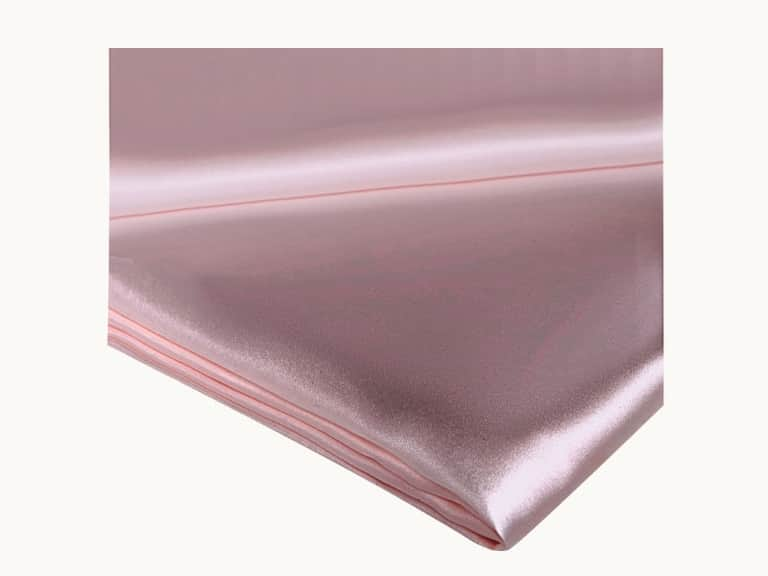
When considering value, think about how a piece integrates with your existing textiles. A silk flat sheet, whether in vintage pink, ivory, or charcoal, should pair seamlessly with your duvet cover and pillowcases, while maintaining comfortable temperature regulation across seasons. The goal is to curate a cohesive, low-friction sleep environment that feels effortless to live with, day after day.
6) The Silk Care and Ethics Resource Library: a living guide
A practical resource library complements key guides by offering downloadable PDFs, glossaries, and printable care calendars. This dynamic hub supports readers who want a trusty reference for textiles beyond silk bedding—covering silk scarves, travel accessories, and decorative fabrics that share the same care principles.
Consider organizing content into thematic series such as “Care 101,” “Fabric 101,” and “Sustainability Spotlight.” Each series can present step-by-step tutorials, quick-reference charts, and quizzes that help readers identify their textile priorities, much like a well-curated interior design guide meets a science-backed care manual.
7) A closing note on mindful consumption and future trends
Silk textiles embody a tradition of craftsmanship and a forward-looking commitment to sustainable, ethical practices. As consumer awareness grows, the demand shifts toward fabrics that combine luxury with responsibility—made with transparent supply chains, humane farming practices, and minimized environmental impact. This evolving conversation invites readers to participate in a more thoughtful cycle of production and use: choosing high-quality silk that lasts, caring for it properly, and supporting brands that value human and ecological stewardship.
Ultimately, silk is more than a surface texture. It’s a material that can transform daily routines into rituals of comfort, care, and conscious living. By understanding the essentials—how to identify quality, how to care for silk, and how to evaluate ethical sourcing—readers become empowered participants in a textile culture that honors both luxury and responsibility.
Notes on the Silk Blank et: Practical references
Product references in this article align with available catalog entries for Silk Bedding and Silk Travel accessories where relevant. For readers pursuing specific items, consider how the product’s features—such as momme weight, fiber content, care instructions, and certifications—fit your home environment and care capacity.
Further reading and resources
If you’d like, this article can be expanded into a detailed content calendar (months 1–6) with topic ideas, outline templates, and suggested page structures to establish silkblanket.com as a trusted informational resource on textiles, care, and sustainable sourcing. Topics can include deep dives into fiber finishes, seasonal care calendars, and DIY textile care projects that help readers maintain their silk investments over time.